 Article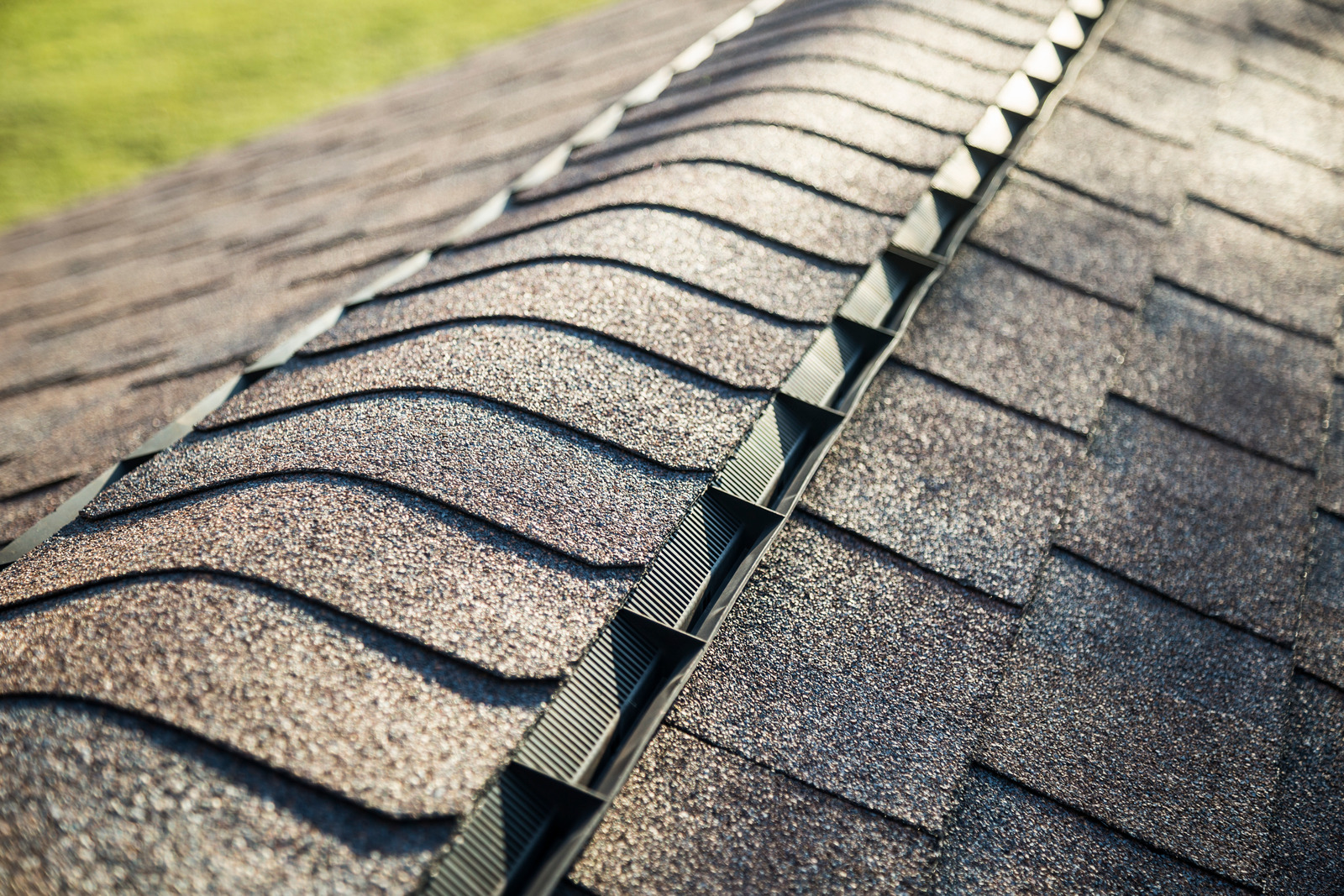
What Is Roof Ventilation?
Roof ventilation is a system of intake and exhaust vents that allow air to flow through your attic. Fresh air enters through intake vents (usually at the soffits) and exits through exhaust vents (such as ridge vents or roof vents).
This continuous airflow helps maintain a balanced attic environment year-round.
Prevents Heat Buildup
During the summer, your attic can reach extremely high temperatures—often exceeding 150°F without proper ventilation.
Good roof ventilation helps:
- Reduce heat buildup in the attic
- Lower indoor temperatures
- Decrease strain on your HVAC system
- Improve overall energy efficiency
This can lead to lower cooling costs and a more comfortable home.
Reduces Moisture and Prevents Mold
In colder months, warm air from inside your home can rise into the attic, creating condensation when it meets cooler surfaces.
Proper ventilation helps:
- Prevent moisture buildup
- Reduce the risk of mold and mildew
- Protect insulation from damage
- Improve indoor air quality
Moisture issues can silently damage your home if left unaddressed.
Extends Roof Lifespan
Excess heat and moisture can cause roofing materials to deteriorate faster.
Ventilation helps:
- Prevent shingle damage and premature aging
- Reduce the risk of wood rot in the roof deck
- Protect structural components
A well-ventilated roof can last significantly longer, saving you money on repairs and replacements.
Helps Prevent Ice Dams
In winter, poor ventilation can contribute to uneven roof temperatures, leading to ice dams.
Proper airflow keeps your roof temperature consistent, helping to:
- Reduce snow melt and refreezing cycles
- Prevent water backup under shingles
- Protect your roof from winter damage
Improves Energy Efficiency
A properly ventilated attic reduces the workload on your heating and cooling systems.
Benefits include:
- Lower energy bills
- Improved home comfort
- More consistent indoor temperatures
This makes roof ventilation a smart investment for long-term savings.
Meets Building Code Requirements
Most modern building codes require proper roof ventilation to ensure safety and performance.
Installing the right ventilation system helps:
- Meet local code requirements
- Protect your home investment
- Avoid potential inspection issues
Signs of Poor Roof Ventilation
If your home lacks proper ventilation, you may notice:
- High energy bills
- Hot or stuffy attic
- Mold or mildew in the attic
- Ice dams in winter
- Curling or damaged shingles
- Peeling paint near the roofline
These warning signs indicate it’s time to have your roof inspected.
Why Professional Installation Matters
Roof ventilation must be properly designed and installed to be effective. Too little—or even too much—ventilation can cause problems.
At Pro Tech Improvements LLC, we specialize in roof inspections, ventilation improvements, and full roofing systems. Our team ensures your attic has the proper airflow needed to protect your home year-round.
Conclusion
Roof ventilation is not just an upgrade—it’s a necessity for maintaining a durable, energy-efficient home. From preventing heat buildup and moisture damage to extending the life of your roof, proper ventilation plays a critical role in protecting your investment.
If you’re unsure whether your home has adequate ventilation, a professional inspection can help identify issues before they turn into costly repairs.